
The Role of Texture in Defining Premium


I’ve worked with premium print and finishes for years, but this took it to a different level.
Nice paper stock, clean finishes, maybe a bit of foil if you’re feeling fancy. That was my version of “premium”.
Then I walked into a Scodix workshop in Dusseldorf… and realised I’d been thinking far too flat.
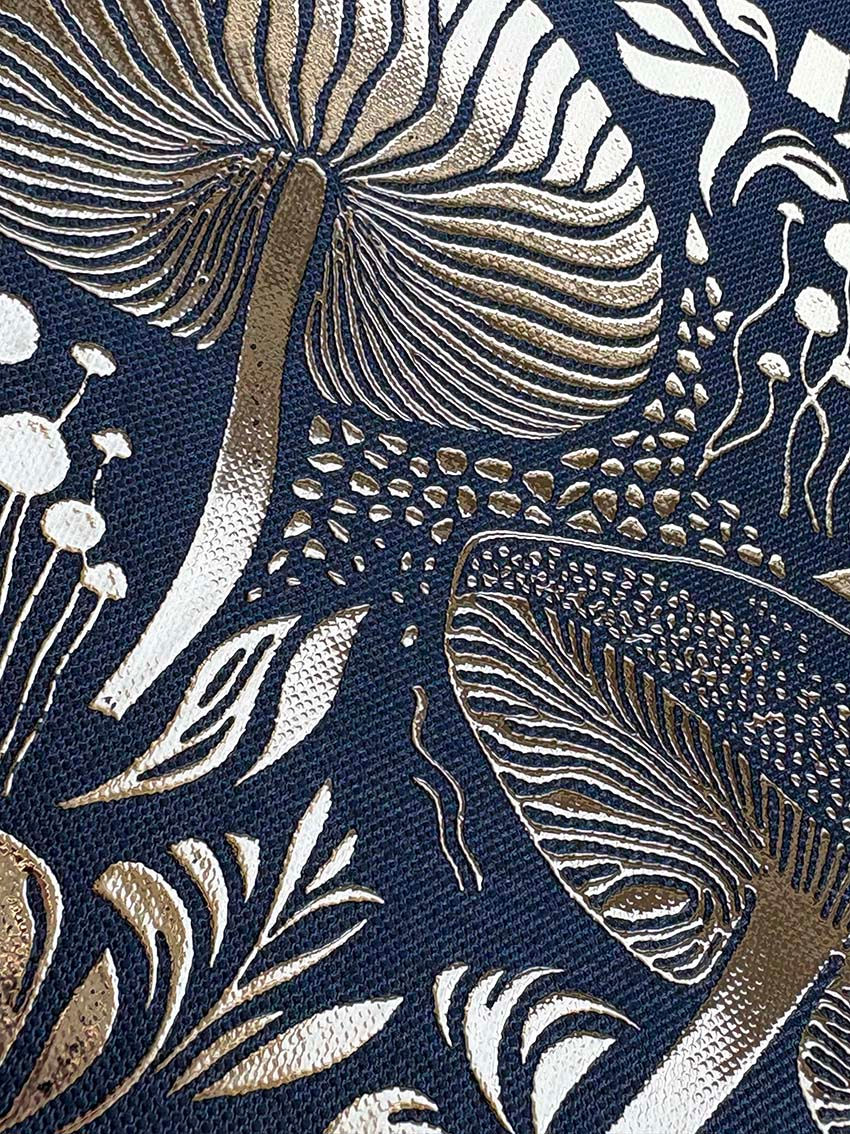

You can read about print finishes all day long, but seeing it happen is something else entirely.
Sheets running through the press, precise and almost hypnotic, building detail layer by layer – not just something you see, but something you feel.
It’s not loud or over the top. It’s controlled. Intentional. Precise.
And that’s exactly what makes it powerful.

The moment it clicks
There was a moment I picked up a finished piece and paused.
Not because it looked good (it did), but because of the texture.
I was drawn in like a magpie!
Raised elements catching the light. Subtle gloss shifting as you move it.
Details you don’t even notice… until your fingers do.
That’s when it clicked. This isn’t decoration.
This is experience design.
What surprised me most about premium packaging wasn’t just the technology, but how strategic it felt.
Every enhancement had a purpose:
– guiding your eye
– emphasising key details
– adding depth without clutter
Nothing was there “just because”.
And that’s where a lot of brands get it wrong – adding finishes, but not intention.


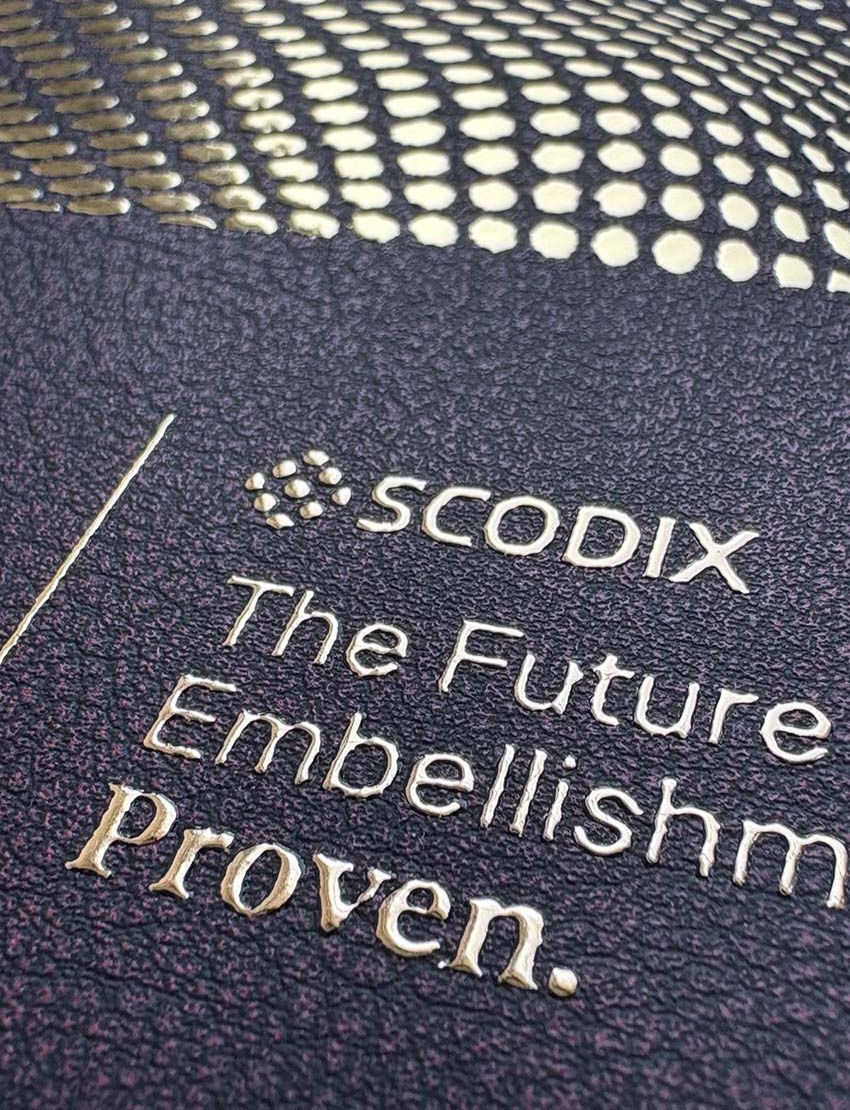

What’s changed? Here’s the part that genuinely surprised me. This isn’t traditional finishing.
>> There are no tooling plates.
>> No long setup times.
>> No separate processes to manage.
Everything happens in one pass.
Which means faster turnaround, more flexibility, and far less production friction.
Up to 7 layers of polymer can be built up with precision – creating real, controlled depth, not just surface decoration.
And because of how it’s applied, it works on materials that would normally limit you – including uncoated and textured stocks.
That changes things.
It opens the door to more experimentation, shorter runs, and more intentional use of finish – rather than saving it for the “final version”.


Why this matters for brands
If you’re building a product-based brand, you’re not just competing on what people see.
You’re competing on:
how it feels in their hands
how long they hold onto it
whether it feels worth the price
After that workshop, one thing’s clear:
Flat print is forgettable.
Texture creates memory.
Here’s the question I left with:
If someone picked up your packaging with their eyes closed… would they still know it’s premium?
Because after experiencing this firsthand – that’s now the benchmark.


Comments